Microsoft Discovery is being used to guide a chip-design project from a high-level processor brief toward logic, register-transfer-level code, and physical layout. In a new Microsoft Discovery case study, the project starts with a RISC-V core and a matrix multiplication accelerator, then uses AI assistance to manage the sequence of engineering steps.
The write-up is notable because it describes chip design as a learning and iteration problem, not as a magic prompt that produces finished silicon. The initial specification came from project partners. From there, the design moved through several representations, each one closer to the hardware that could eventually be implemented. Microsoft presents the workflow as a way to make a specialized engineering process more approachable while keeping the underlying logic visible.
From a processor brief to hardware logic
The case study describes a progression from logical C code to high-level synthesis C, which groups the logical blocks into a more expressive hardware-oriented form. The project then used Verilog to describe the actual devices required for the design, including basic AND and XOR logic. That progression gives the AI system concrete intermediate artifacts to work with instead of treating the chip as a single opaque answer.
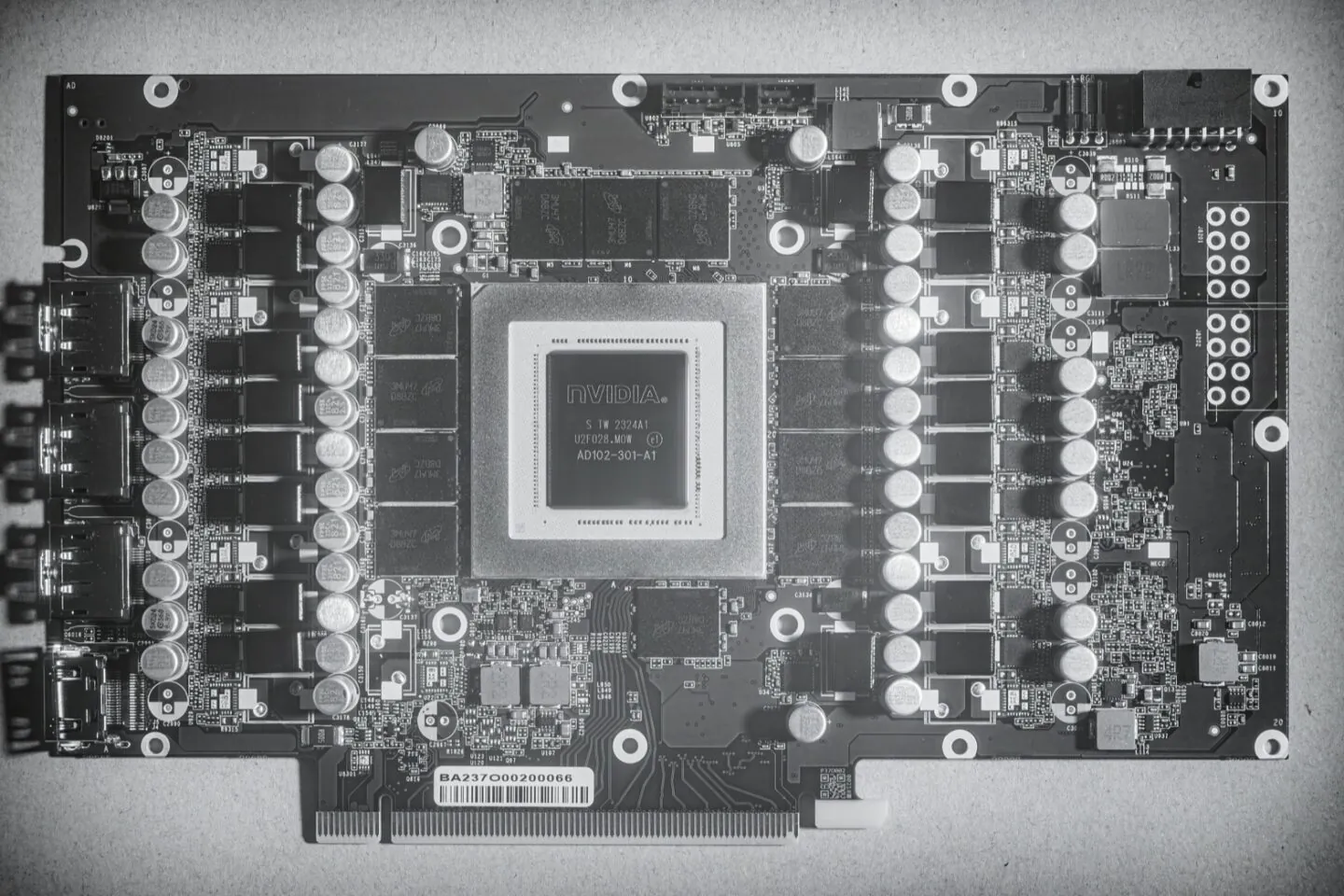
After the RTL stage, the work turned toward physical layout and the arrangement of chip traces. Microsoft says the optimization scope was limited, with target clock speed among the variables being explored, but autonomous parameter sweeps and design iterations removed some of the remaining friction. In other words, the value described here is not an advertised clock rate or a finished commercial processor. It is the ability to test variations, inspect results, and keep moving through a design loop.
That distinction is important in a field where the phrase AI chip design can suggest more than the evidence supports. The Microsoft post is a case study about a project and a workflow. It does not establish that Discovery can replace experienced hardware engineers, guarantee a manufacturable design, or deliver a particular performance level. The useful claim is narrower: an AI-assisted system can help organize the path from a processor specification to the code and layout steps that engineers must still examine.
The approach also fits the broader shift toward open and inspectable hardware tools. RISC-V supplies an open instruction-set foundation, while Verilog makes the described logic available for simulation and review. That creates a more legible boundary between the model’s assistance and the engineer’s responsibility. The design can be checked at each stage rather than accepted as a black-box artifact.
For readers following our TPU versus GPU explainer, the project shows a different layer of the same hardware stack. A processor architecture is only the starting point. Memory movement, interconnects, physical constraints, and the workload’s arithmetic shape whether a design is useful. The matrix multiplication accelerator in this case is a reminder that specialized hardware begins with a workload assumption, not with a generic claim about AI.
It also connects with our coverage of memory bandwidth as an AI hardware bottleneck. Even a clean accelerator design must eventually be judged by how data reaches it, how much power the system consumes, and whether the physical implementation can meet its targets. Discovery can shorten the iteration loop, but it cannot remove those constraints.
Microsoft’s case study leaves the strongest conclusion deliberately practical. AI assistance may lower the barrier to exploring chip design, especially for engineers who understand systems but have not taken a design all the way to physical layout. The hard part is still the engineering discipline: define the workload, expose the logic, test each transformation, and treat every optimization result as evidence to inspect rather than a promise.