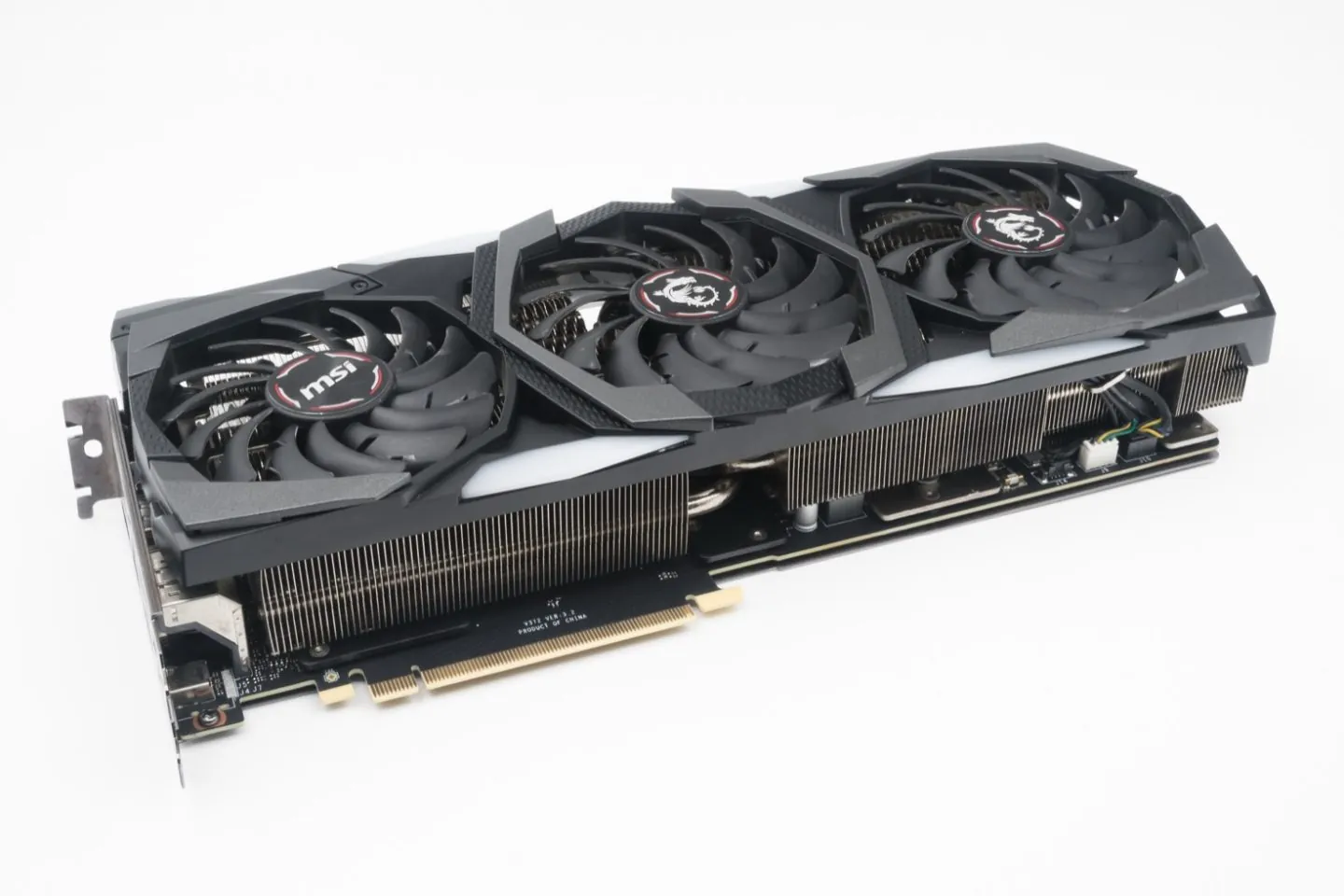
Intel’s Arc B580, Nvidia’s RTX 5050, and AMD’s RX 9050 all fight for the same buyer: someone who wants modern graphics for around $300 and mostly plays at 1080p. Only one of them is worth that money in 2026, and this guide compares the three with sourced US street pricing to show which.
Arc B580 vs RTX 5050 vs RX 9050 at a glance
The short answer: the Intel Arc B580 is the best of the three for most 1080p buyers, because it pairs competitive performance with 12GB of VRAM at a budget price. The Nvidia RTX 5050 costs similar money with only 8GB but carries stronger ray tracing and DLSS features. The AMD RX 9050 should be avoided entirely; it launched with 8GB, reviewed poorly on value, and is barely available at retail.
Specs and price compared
All prices are current US street listings in USD as of August 2026, drawn from the sourced listings used across our GPU guides.
| Card | VRAM | US street price | Availability |
|---|---|---|---|
| Intel Arc B580 | 12GB | ~$309.99 | In stock (ASRock Challenger) |
| Nvidia GeForce RTX 5050 | 8GB | ~$299.99–349.99 | In stock |
| AMD Radeon RX 9050 | 8GB | No verified listing (~$200 class) | Thin to none at retail |
The B580’s 12GB frame buffer is the headline difference: it is 50 percent more memory than either rival, and memory is what decides how long a budget card stays usable as texture-heavy games push past 8GB. The Arc B580 lists at about $309.99, the RTX 5050 ranges roughly $299.99 to $349.99, and the RX 9050 has no verified Newegg listing at all.
Performance: where each card wins
The Arc B580 targets high-refresh 1080p and entry 1440p gaming, and its extra memory helps most exactly where budget cards struggle first: modern titles with large texture packs. The RTX 5050 counters with Nvidia’s feature set, including DLSS upscaling and stronger ray tracing hardware, which matters if you play titles that lean on those effects. The RX 9050 trails both: TechSpot’s testing, covered in our RX 9050 review, found it performing close to or behind an RTX 5050-class baseline despite its budget positioning, with poor value at its intended launch tier.
Software and driver considerations
Drivers are a real part of the budget-GPU decision. Nvidia’s drivers are the most mature for game compatibility and creator applications, and DLSS is supported in the widest range of titles. Intel’s Arc drivers have improved steadily since launch, but the B580’s performance is best on systems with Resizable BAR enabled, a setting older motherboards may not expose, so check your platform before buying. AMD’s Radeon software covers Adrenalin features such as recording and boost profiles; the RX 9050’s problem was never its software so much as its hardware value.
Power and case requirements
All three cards are budget-tier parts designed to run on modest power supplies, which keeps the total build cost down compared with high-end GPUs that demand 750W or more. None of them requires a case upgrade in a standard mid-tower, and all three fit compact builds. That makes the real differentiator between them the memory count and feature set rather than installation concerns, which favors whichever card offers the most VRAM at the price you find.
The upgrade path argument
A budget GPU bought today should survive two or three years of new releases without becoming the reason a game will not run. That is why the 12GB Arc B580 has an edge over both 8GB rivals: when a future title wants more texture memory, the B580 keeps playing while an 8GB card starts dropping settings. Buyers who upgrade GPUs every generation can ignore this and optimize purely for price, but buyers planning to keep the card until it dies should weight VRAM heavily.
Which should you buy?
Buy the Intel Arc B580 if you want the best balance of price, memory, and longevity at 1080p. Buy the RTX 5050 if you specifically want Nvidia’s DLSS and ray tracing features and can accept the 8GB ceiling. Skip the RX 9050 unless a steep discount changes its math entirely, because even then the wider field includes better options, as our Best Budget GPU 2026 guide shows.
How we priced these
All figures are US street prices in USD from verified retailer listings linked above. The RX 9050’s approximate class pricing comes from our review coverage rather than a live listing, because no current stock was verifiable at publication time. For pairing any of these cards with a Ryzen CPU, see our Ryzen GPU matching guide.