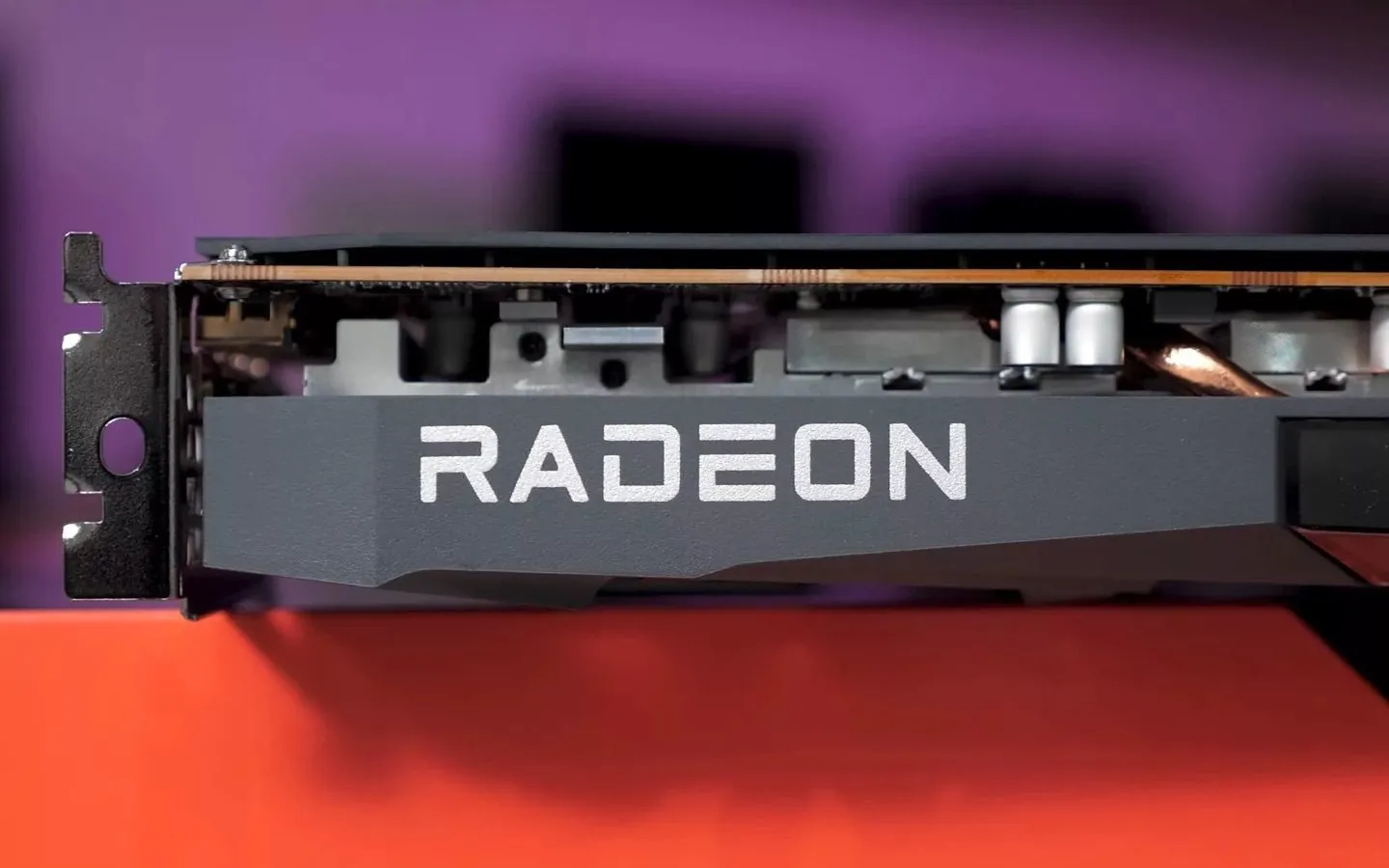
AMD’s Radeon RX 9050 8GB is a budget GPU with a serious value problem. TechSpot’s review sums up the card in a single line: it “promises current-generation graphics for budget gamers, but poor performance and even worse value make this GPU nearly impossible to justify.” That is the review verdict this piece walks through, because the RX 9050 sits exactly where most first-time builders shop.
The card targets a simple question: what is the cheapest way to get modern graphics in 2026? On paper the RX 9050 fits that brief with 8GB of VRAM and a mainstream price tier. In practice the hardware is held back by the same 8GB ceiling that has haunted budget GPUs for two years, and performance lands below where the price point suggests it should. TechSpot’s testing found the card lands close to, and sometimes behind, an RTX 5050-class baseline, a comparison PC Gamer’s early analysis already flagged when it suggested the RX 9050 8GB performs worse than the RTX 5050.
The 8GB question in 2026
8GB was a defensible budget number in 2025; in 2026 it is the line in the sand. Modern games with ray tracing and high-resolution texture packs push past it at 1080p, and the RX 9050’s memory configuration is the first thing a reviewer checks. TechSpot’s verdict is not that the card cannot play anything, it is that every game that fits its memory budget plays better on a card that costs the same or less, or on a card that costs a little more and removes the compromise.
The review also highlights growing pains in AMD’s budget stack. Partners were reportedly told not to send RX 9050 review samples, and Hardware Unboxed sourced one anyway for its coverage, a sign that the launch was handled as damage control for a card AMD knew would review poorly. Buyers should weigh that context: AMD’s budget platform decisions have been mixed this year, with the newest Ryzen budget chips shipping without an NPU, and the RX 9050’s launch pattern fits that pattern.
Buy or skip
Skip, unless the price drops sharply. The honest position is simple: if the RX 9050 sells at a meaningful discount, it becomes a passable 1080p card with modest settings; at its intended launch value it is a card that asks you to pay for promises it does not keep. The alternatives matter more than the card itself. A used prior-generation card with 12-16GB, or a slightly more expensive current part with more memory, removes the core objection entirely. The wider market context also matters: GPU pricing is under persistent upward pressure this year, which makes any card this hard to justify a card worth refusing. AMD gets credit for trying to serve the $200 class, but the RX 9050 8GB earns its review headline: budget GPU, zero budget value.
The launch context only sharpens the verdict. AMD partners were reportedly not allowed to send RX 9050 review samples, and independent reviewers had to source units themselves, an unusual step that signals limited confidence in the card’s showing. Price is the deciding variable going forward: if the street price falls far enough, the card becomes a stopgap for the most constrained budgets; at any price near its intended tier, the smarter buy is almost always the extra memory and the next rung up. The useful benchmark question is not whether the RX 9050 can run games, it is whether 8GB is enough for the games people actually want to play in 2026 and beyond. The review answer is that the budget king is held back by the limit that made it cheap, and value, in this market, means buying around the 8GB ceiling rather than through it.