The most interesting hardware of the year is the hardware that does not try to be interesting. After a stretch of gimmicks, add-on screens, and features built to sell a keynote, the market is circling back to reliability, repairability, and the quiet competence of a tool that just works, a value the right to repair movement has championed for years.
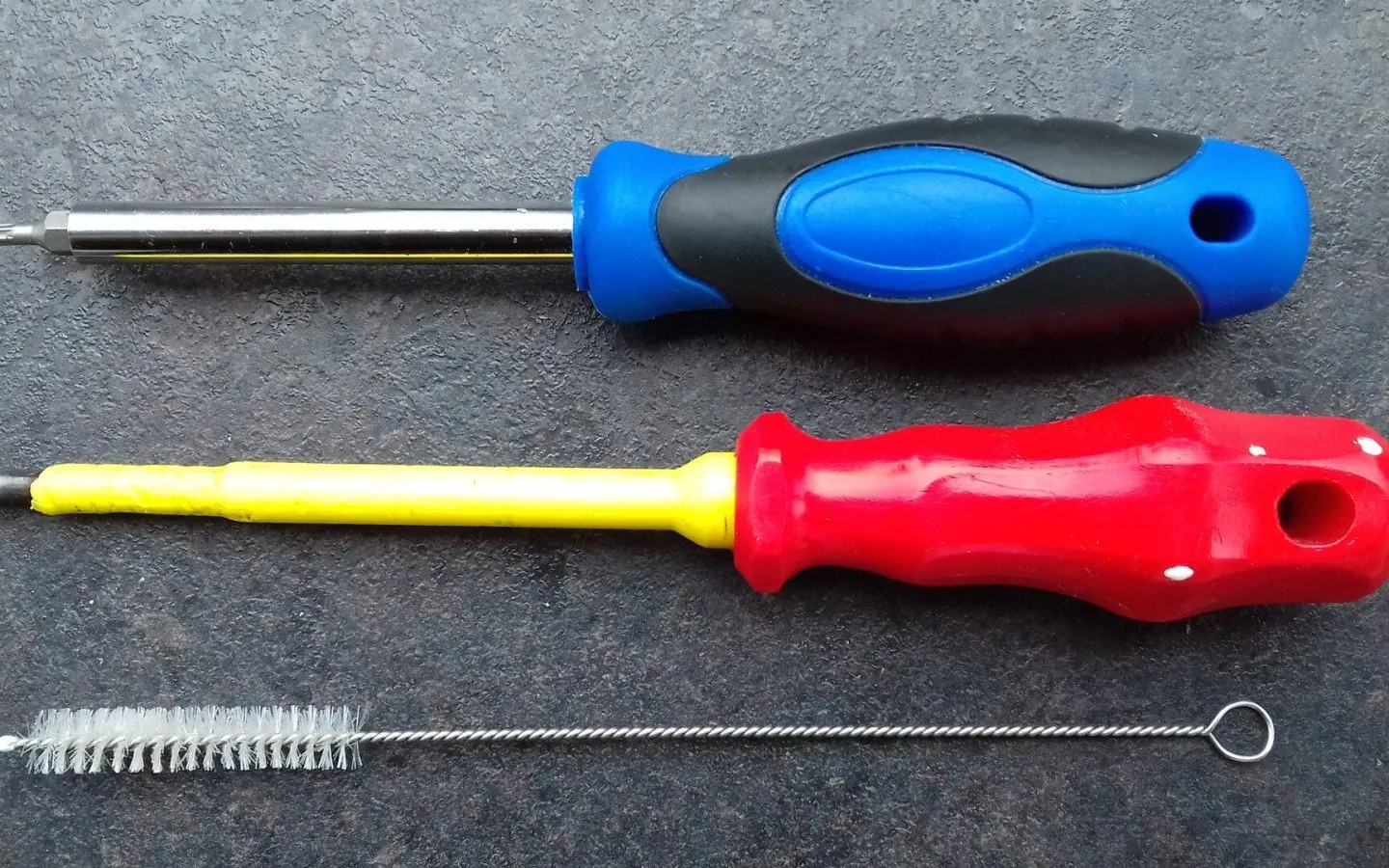
The change is visible in the reviews people trust. Enthusiasts still like speed, but they are rewarding machines that stay cool under load, keep their battery health over a year, and open with a standard screwdriver. A device that can be fixed is becoming a feature worth paying for.
The return of the screw
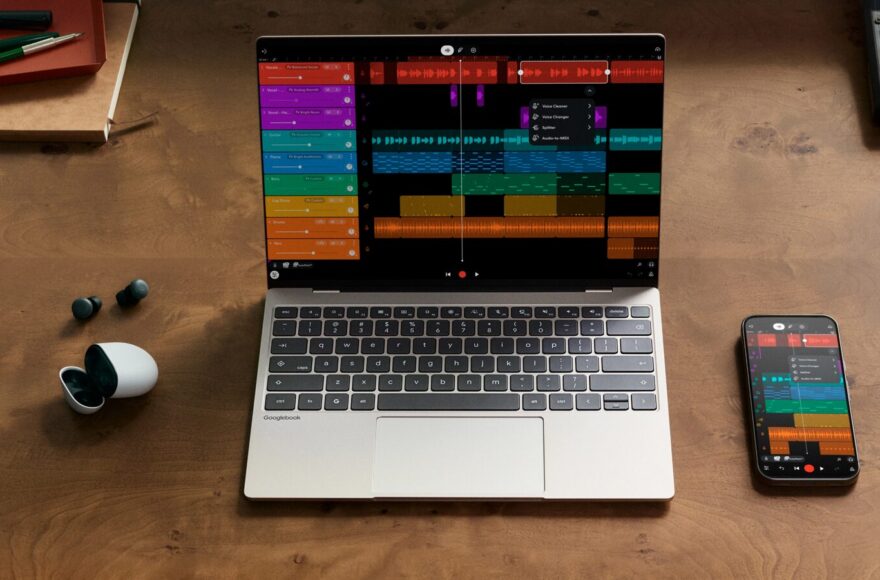
Repairability is the clearest signal. When a laptop can have its memory upgraded, its battery swapped, and its keyboard replaced, it stops being a disposable object and becomes an investment. That is attractive to buyers who remember when that was normal and to a younger generation that wants to keep hardware out of a landfill.
Software support matters as much as screws. A boring device is one whose manufacturer keeps it updated, does not brick it with a sudden policy change, and does not force a subscription to use the features that shipped with the box. Predictability has become a luxury in a market full of surprises.
The boring turn is also a reaction to price. As hardware got more expensive, buyers started asking what they actually keep after the purchase. A reliable, repairable machine holds its value, stays useful longer, and sends less money to a replacement cycle. That is a rational response to a market that spent years treating annual upgrades as normal.
None of this means innovation has stopped. The best boring hardware uses new process nodes, efficient displays, and careful thermal design to deliver competence quietly. The difference is in the priorities: the goal is a machine that disappears into the work, not one that demands attention with a new gimmick every season.
For the culture around technology, the shift is a relief. It suggests that after the hype cycles, people still value the object that works, lasts, and can be fixed. That is not nostalgia. It is the standard the industry built its reputation on, and the market is ready to reward it again.