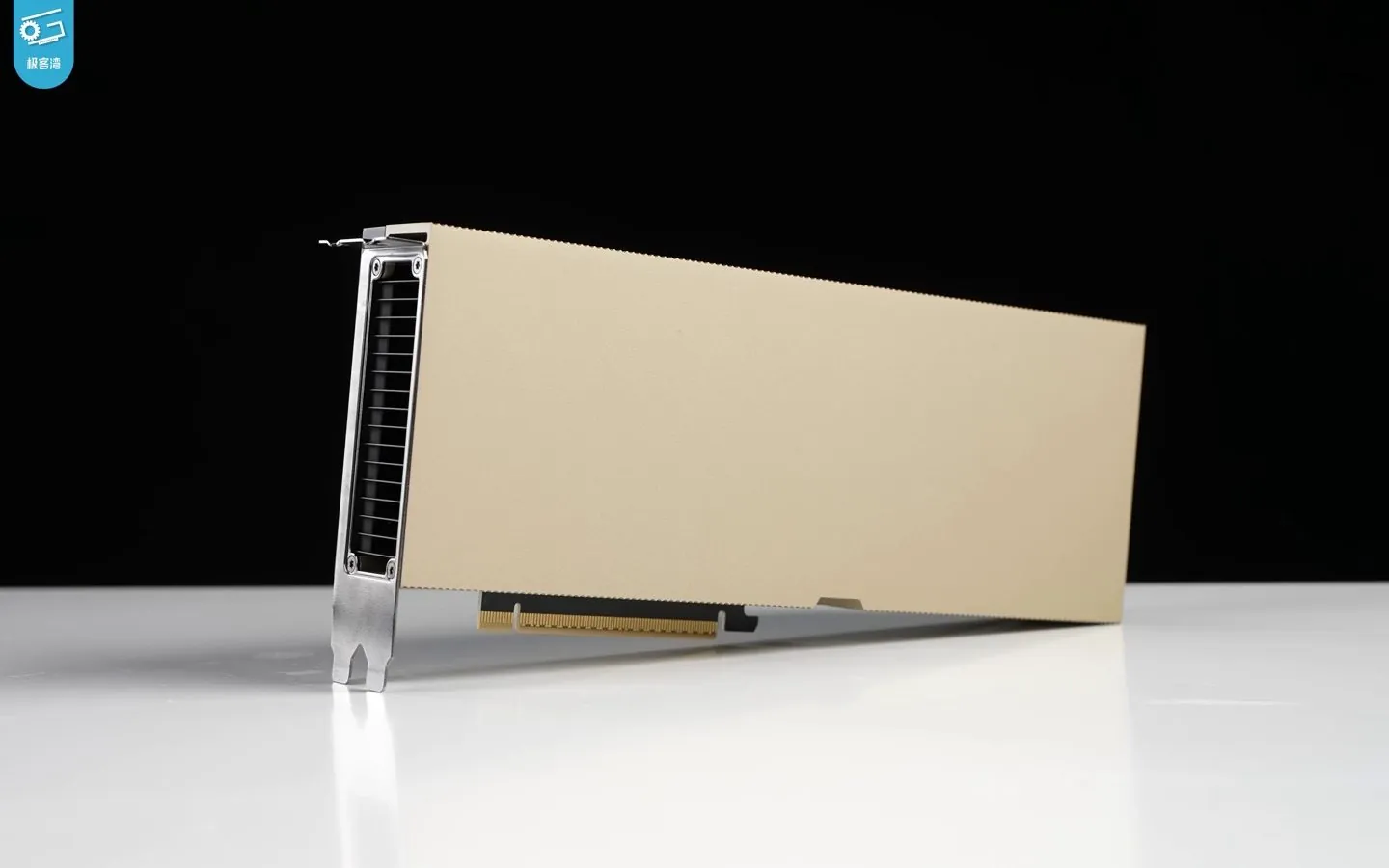
CME Group will launch what it describes as the industry’s first regulated compute futures contracts on October 5, 2026, pending regulatory approval, with GPU rental pricing listed on NYMEX. The products are designed to let hyperscalers, AI labs, and trading firms hedge AI infrastructure costs directly, rather than through proxies like chipmaker stocks or cloud-provider earnings.
The contracts will track the Silicon Data H100 and B200 Rental Indexes, benchmarks from market intelligence firm Silicon Data, which is backed by global trading firm DRW. The indexes measure the hourly cost of renting Nvidia H100 and B200 chips across global cloud platforms, and each contract represents one month of GPU rental, under the partnership the two firms announced on May 12.
How the contracts work
The contracts will be listed and subject to the rules of NYMEX, and once live, trading platforms will be able to add them to their product suites. CME Group has not named the regulator whose approval it is awaiting. Renting AI compute has so far been a matter of private negotiation, with prices varying widely between providers and over time depending on demand, so the launch creates the first public, tradable reference price for GPU capacity.
Silicon Data built its benchmarks to bring consistency to those fragmented markets. “Compute markets today are still highly fragmented, with pricing that can vary dramatically across providers, regions and contract structures,” Silicon Data CEO Carmen Li said when the partnership was announced. “We built our benchmarks to bring consistency, transparency and real-time visibility to GPU markets that have historically lacked standardized reference pricing.”
CME Group Chairman and CEO Terry Duffy framed compute as a new commodity class. “As the backbone of the digital economy, compute is the new oil of the 21st century,” he said. “Every AI model trained, every transaction cleared, and every byte of data processed runs on compute, which is becoming a fast-emerging asset class in its own right.” Pete Keavey, CME Group’s global head of energy and environmental products, said the futures turn compute into “a standardised, tradable commodity that will provide global businesses with a reliable, regulated venue to manage price risk,” the same evolution oil made from spot trading into a global derivatives market.
For market participants, the practical effect is a tradable price for the multi-trillion-dollar compute market the two firms cite. Hyperscalers and neo-clouds can hedge hardware investments and quote capacity to clients months ahead of delivery. AI labs can lock in infrastructure costs instead of absorbing spikes during peak demand. Hedge funds get a direct way to trade views on AI infrastructure spending without holding the underlying hardware.
The launch is part of a broad CME product expansion in 2026 that also included futures on the FutureSports Performance Indexes, the exchange’s first neodymium and praseodymium contracts, and single-stock futures on more than 50 major US equities, including SpaceX and Nvidia. CME is not the first venue to bring compute pricing into derivatives: Architect Financial Technologies launched perpetual futures tracking GPU and DRAM rental prices on its Bermuda-regulated AX exchange through a partnership with index provider Ornn Data announced in January. CME’s contracts differ in structure, dated futures rather than perpetuals, and route through NYMEX, bringing compute exposure into a US-regulated venue for the first time.
The launch also extends the financial engineering layer under the AI buildout that this site covered when Nvidia and six investors outlined compute financing platforms aimed at mobilizing over $500 billion. Trading is scheduled to begin October 5, and the next confirmed milestone is that date, assuming regulatory approval clears before it.