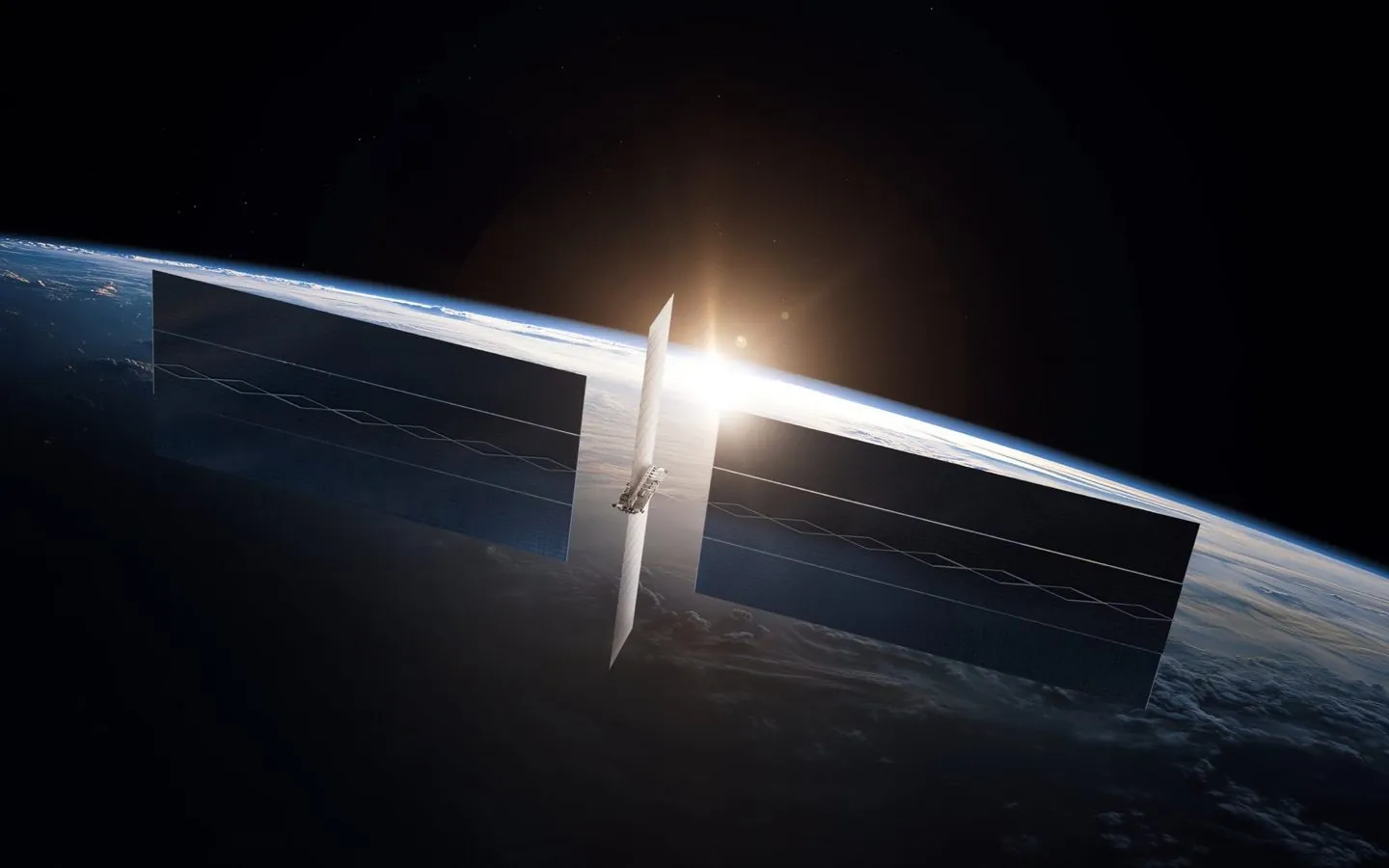
SpaceX is partnering with Nvidia to design the Starmind AI1 satellite compute payload, a datacenter-class computing package for orbit. Each Starmind satellite will carry Nvidia Rubin GPUs and Vera CPUs, SpaceX said in an announcement on X on August 4. The news landed alongside SpaceX’s first earnings report as a public company, in which Elon Musk named Nvidia the company’s sole GPU provider.
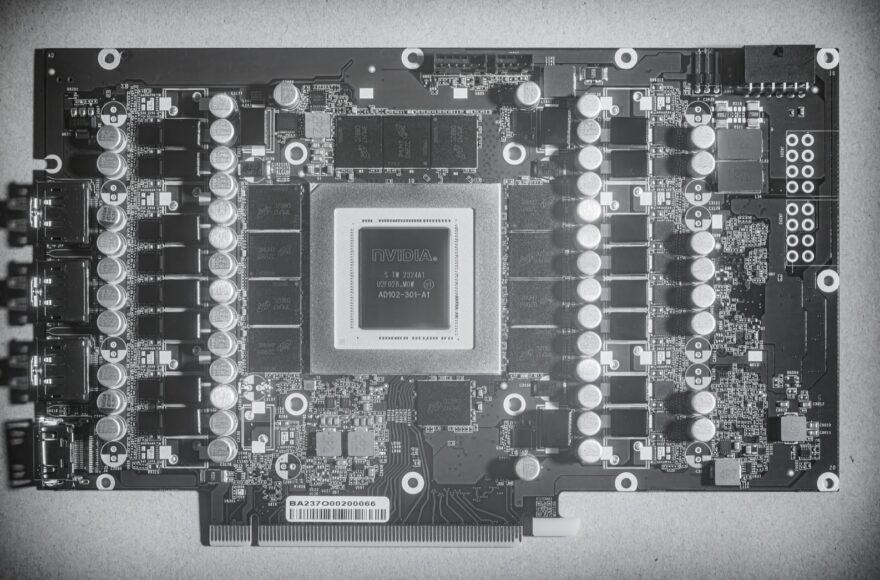
Musk repeated the commitment in a post on X the same day, writing that SpaceX has committed to using Nvidia GPUs exclusively because they are the best. On the earnings call he called Nvidia’s upcoming Vera Rubin platform the pinnacle of AI computing, and SpaceX said it plans to deploy Vera Rubin NVL72 rack-scale systems, known as Kyber, across its ground facilities.
The orbital piece is the more novel one. The Starmind AI1 payload is designed to process real-time geospatial data, autonomous flight analytics, and orbital intelligence directly in orbit using space-certified Vera Rubin modules, rather than shipping raw data to the ground. HotHardware reports the co-development is meant to pair orbital data centers with ground infrastructure as a way around terrestrial limits on power, land, and cooling.
The partnership came as SpaceX reported its first quarterly results since listing on the US stock market in June. Revenue nearly doubled year over year to $7.8 billion. The AI business, which sells compute capacity and cloud hosting to customers including Google and Anthropic, brought in $2.56 billion in the quarter, up 213 percent from a year earlier, while losing $1.2 billion. Overall the company posted a net loss of $143 million for the three months to June.
The spending side is what moved the stock. Capital expenditures over the trailing 12 months reached $18.4 billion, up from $2.8 billion a year earlier, with direct AI infrastructure outlays of roughly $15.8 billion, more than twenty times the prior year’s level. Shares fell about 9 percent on Wednesday as investors weighed the surge against the company’s own argument that AI compute has become a power race, and with a post-IPO insider lockup expiring that frees roughly 912 million shares.
Ten Gigawatts of Compute by Next Year
Musk said SpaceX currently has 1.4 gigawatts of AI compute ready to use and expects capacity to reach at least 10 gigawatts next year as its data center buildout continues. He told investors that data centers are a trivial problem compared to making reusable rockets, and that Starlink, the one profitable unit with $1.6 billion in second-quarter revenue, should keep growing. Chief financial officer Bret Johnsen said payback periods on AI hardware investments remain well under a year, and that capital spending would stay at a similar level for the rest of the year.
Analysts are split on what the company becomes next. Matt Britzman, senior equity analyst at Hargreaves Lansdown, said Musk is going all in on data centers and that SpaceX could soon resemble an AI infrastructure company with an extraordinary space business attached. Musk told investors they are underestimating the company and repeated his projection of $1 trillion in annual revenue by 2030. The near-term pace is set on the ground: SpaceX targets 2 gigawatts of compute by the end of this year, with the Starmind AI1 satellite work continuing alongside.