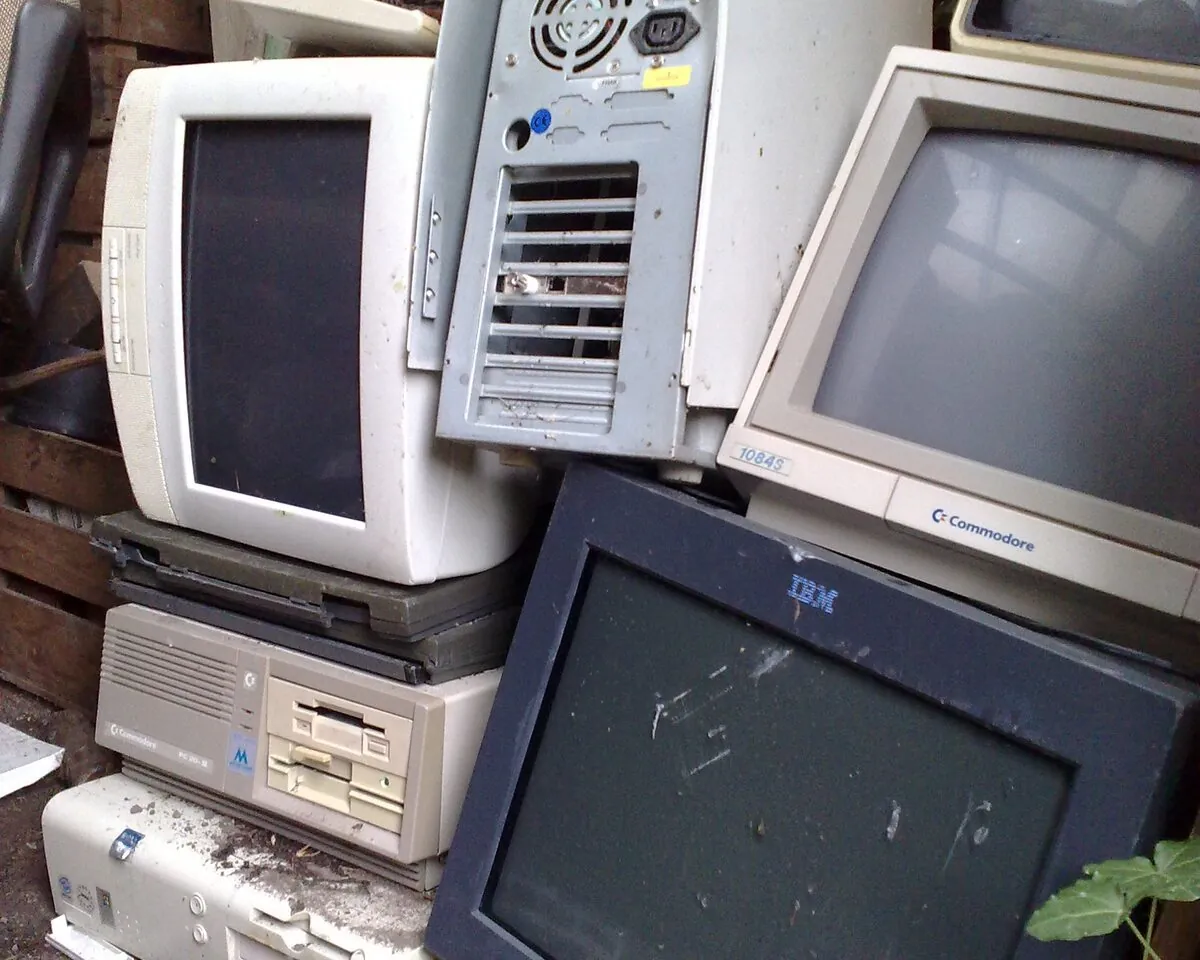
The market for used hardware is growing up. Businesses and enthusiasts are treating refurbished servers, accelerators, and laptops as a first choice rather than a fallback, and electronics reuse programs are expanding to meet the demand instead of just absorbing castoffs.
The economics are the driver. A two-year-old accelerator or server can deliver a large share of the performance of a new one at a fraction of the price, and for workloads that are not chasing the newest benchmark, that is a rational buy. The money saved goes back into capacity, which is exactly what a small team or a startup needs.
Why the second hand market grew up
Part of the change is reliability. Used hardware used to mean a gamble, but certified refurbishment has standardized testing, warranties, and predictable grading. A buyer can now weigh a refurbished machine against a new one with confidence, and the risk has moved from the transaction to the spec sheet.
The AI boom added fuel. When the newest accelerators are scarce and expensive, older but capable parts become a sensible intermediate step. Teams can prototype and run real workloads on hardware that would otherwise sit idle, then upgrade when the budget allows. The second hand market turns a shortage at the top into an opportunity everywhere else.
There is a cultural shift underneath. A device that is bought used, repaired, and passed along is a statement about what hardware is for. It lasts, it holds value, and it does not disappear into a landfill after one owner. That aligns with the values of a generation that grew up watching e-waste pile up, and it is starting to show in what people are willing to buy.
The environmental angle is real but not the only one. Reuse avoids the energy and materials that go into a new build, and it keeps working components out of the waste stream. The reuse and recycling infrastructure is being built to match, with more certified refurbishers and clearer channels for donation.
For the hardware industry, the trend is a signal that value is not only in the newest launch. A healthy second hand market makes the whole ecosystem more durable: it rewards repairability, supports buyers with smaller budgets, and keeps the supply chain working longer. The boom is not a sign that new hardware is failing. It is a sign that the existing hardware is finally being used to its full life.