A laboratory that runs around the clock with robots instead of shifts changes what instruments need to be. Automated labs are scaling from novelty to infrastructure, and the standards and measurement community is starting to define how they are built, validated, and reproduced.
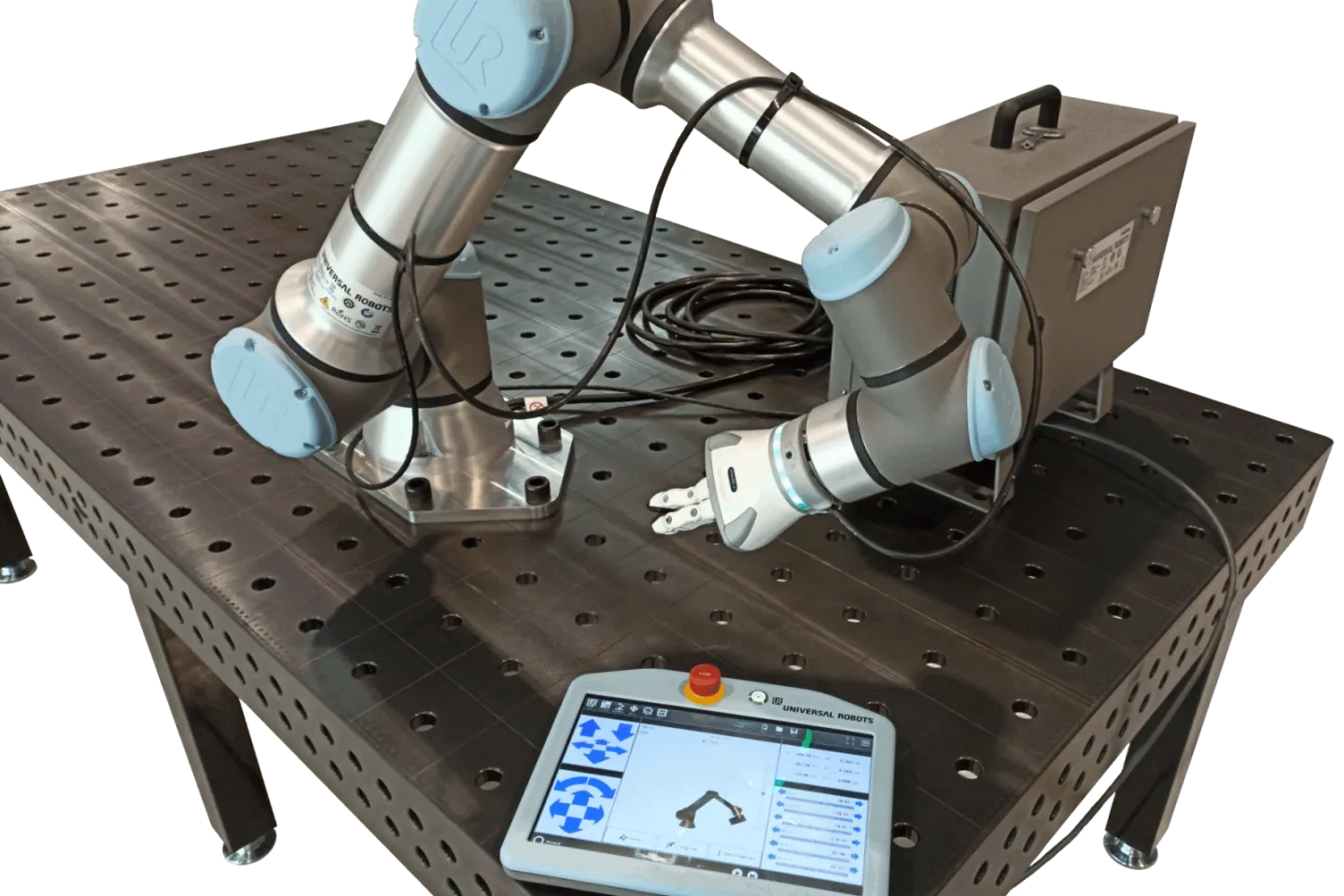
At the center of the change is a simple idea: if a robot can run an experiment, the bottleneck stops being human attention and becomes the reliability of every component. Pipettes, trays, sensors, and arms now need to work together thousands of times without drift. That is a hardware problem as much as a software one.
Instruments built for repetition
Traditional lab instruments are designed for a skilled operator who can notice when something looks wrong. Robot-run labs need instruments that report their own state, flag deviations, and return to a known position after each cycle. That pushes hardware toward more sensors, more calibration routines, and more forgiving mechanical design.
The logistics matter too. A lab that can run a hundred experiments a day generates a stream of samples, reagents, and waste that has to move on schedule. The hardware industry is responding with modular trays, standardized connectors, and interfaces that let one robot hand a sample to the next stage without a human in between.
There is a reproducibility dividend. A robot does not get tired or change its technique between runs, which means results from one lab can be compared more honestly with results from another. That is valuable for science, and it is only possible when the underlying hardware behaves consistently.
The scale is the surprising part. It is no longer exotic to hear about a single organization operating dozens of automated labs. Each one represents a large order of pumps, arms, and sensors, and the cumulative effect is reshaping what instrument makers build and how they price maintenance contracts.
For the hardware industry, the message is that reliability is the new feature. A robot can be fast, but a lab can only trust components that are predictable. The companies that win the next generation of scientific hardware will be the ones that treat every part as if it will be used a million times, because increasingly, it will be.