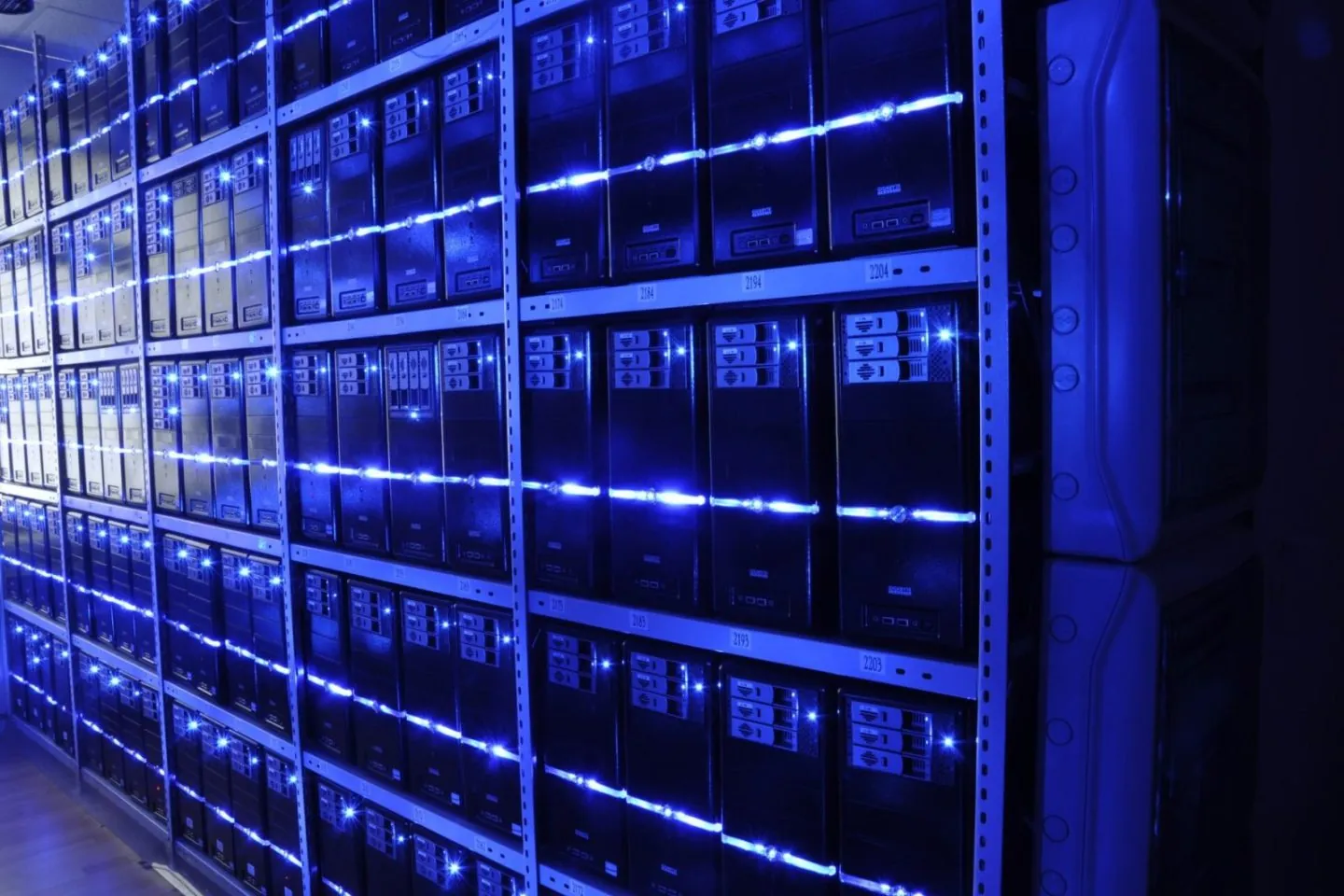
The fans and pumps that keep data centers cool are facing a quieter challenger. Solid state coolers, which move heat without a moving part, are moving out of the laboratory and into server trials, and the energy research community is tracking their efficiency claims closely.
The appeal is easy to state: no fan blades, no bearings, no vibration, and a form factor that fits flush against a chip or a rack component. A solid state element can pump heat in one direction when current flows through it, and it can react quickly to a changing load. For a workload that spikes and dips, that responsiveness is useful.
Why the rack is paying attention
Data centers are spending more of their budget on removing heat as chip power rises. Moving parts are a reliability cost, and vibration is a problem for dense, precision-packed equipment. A cooling element with no moving parts removes both concerns, and it can be placed exactly where the heat is generated instead of depending on a shared air path.
Efficiency is the open question. Solid state cooling historically used more energy than a well-designed fan system for the same heat removal. Newer materials and designs have narrowed the gap, and the math changes when the alternative is a whole building pushing air through hundreds of racks. The comparison is no longer element versus fan. It is element plus targeted cooling versus a larger, less precise system.
There are practical limits. Solid state coolers still need to reject the heat they pump, which means they work alongside heat sinks or loops rather than replacing them entirely. And the most efficient units are expensive to manufacture at scale. That is why the first deployments are trials in specific hot spots rather than a wholesale replacement of the cooling floor.
The direction of travel is clear, though. Cooling is becoming more localized, more responsive, and more electronic. The ability to put a small, controllable cooler exactly where a chip runs hottest could let operators run hardware harder without building a bigger room to do it. For a sector that measures success in watts moved and reliability kept, that is a meaningful upgrade.