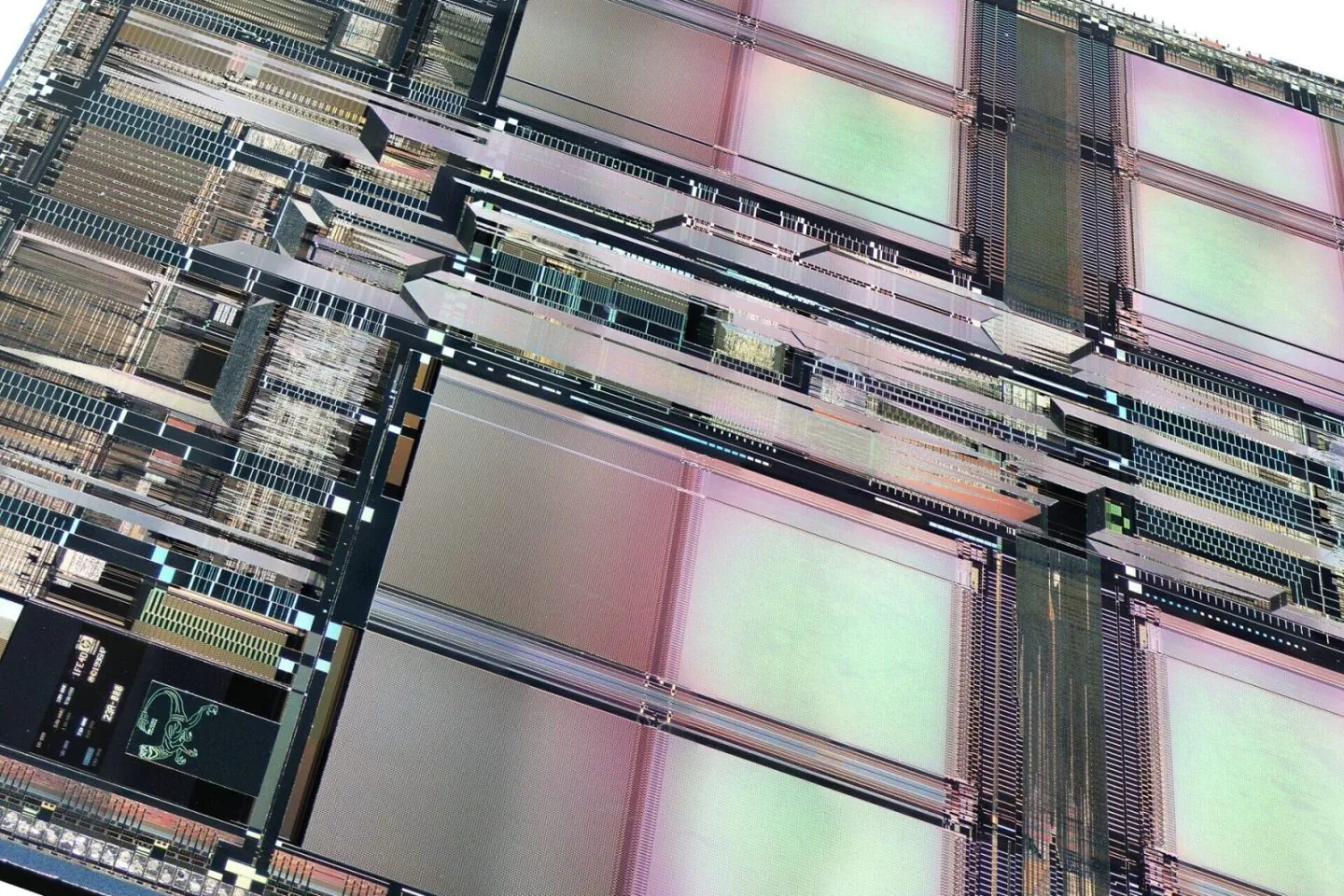
The hardware industry has spent years comparing AI accelerators by raw compute, but the conversation has shifted to a quieter number: the watt. In an analysis of energy and artificial intelligence, the International Energy Agency documents how the power demands of AI workloads are now a design constraint for chips, cooling, and the buildings that house them.
Compute is no longer the only useful specification. A chip that finishes a training run in a day but draws twice the power of its rival can be more expensive to own, harder to cool, and slower to deploy in a grid-limited site. Data center operators are reporting that power availability, not rack space, is the bottleneck for new AI capacity. That reverses a long period when the industry assumed more silicon was always the answer.
Efficiency becomes the spec sheet
The change shows up in how vendors describe products. Launch materials increasingly lead with performance per watt, memory bandwidth, and the density of compute you can fit inside a single power envelope. The practical effect is a marketplace where an older, more efficient part can beat a newer, hungrier one for a specific workload, especially when a facility is capped on incoming power.
For buyers, the implication is straightforward: total cost of ownership now includes electricity, cooling, and the real estate needed to keep a chip within its thermal limits. Two systems with similar peak performance can produce meaningfully different monthly bills and different carbon footprints. Procurement teams that only compare peak numbers are missing most of the decision.
The grid itself is part of the story. Regions with abundant renewable capacity or predictable wholesale prices become more attractive for new clusters. Some operators are pairing AI buildouts with on-site generation or long-term power purchase agreements, turning energy strategy into a core part of hardware planning rather than an afterthought.
There is also a software angle. Model quantization, lower-precision math, and smarter scheduling can reduce the energy cost of a workload without changing the hardware. The most efficient data centers combine efficient silicon with software that uses it carefully. That combination is becoming the real competitive advantage, and it is harder to copy than a chip design.
None of this means raw speed has stopped mattering. Latency-sensitive workloads still reward a faster chip, and the best efficiency claims often come from the newest process nodes. But the industry has stopped pretending that peak compute is the only number that counts. The chip race has become a power race, and the winners will be measured in watts per useful result, not just in floating-point operations.
For anyone following the sector, the useful question is no longer which accelerator is fastest. It is which system delivers the most useful work inside the power and heat the site can actually support. That question connects a piece of silicon to the grid, the building, and the software that runs on it, and it is the question every serious buyer should ask first.