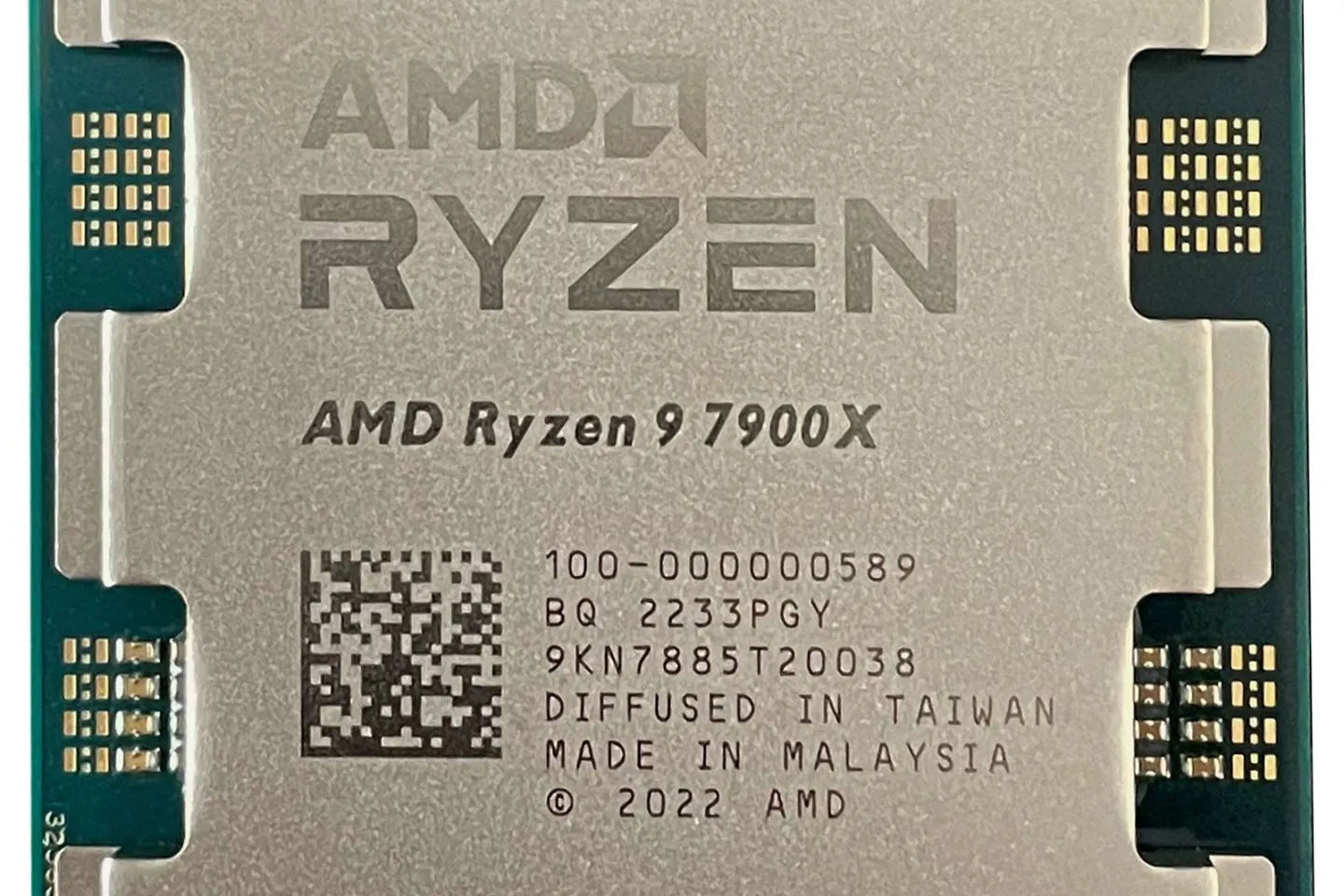
Guru3D reports that AMD has added the Ryzen 7 449 and Ryzen 5 439 to its mobile processor lineup, creating lower-cost derivatives of the Ryzen AI 400 family. The notable detail is what is missing: neither chip includes a neural processing unit, at a moment when AMD has been leading the push to put NPUs in everyday laptops.
Both processors are built on AMD’s Gorgon Point platform and bring Zen 5 cores to cheaper mainstream machines. By dropping the NPU, AMD can price the chips below their Ryzen AI counterparts while still offering modern CPU performance, which should help lower the cost of entry for budget laptops and Chromebook-class devices that do not need local AI acceleration.
A deliberate gap in the lineup
The omission is significant because AMD has spent the past two years making the NPU a headline feature. Its Ryzen AI branding, XDNA architecture, and Microsoft Copilot+ certification push have all tied the company’s laptop story to on-device AI. Shipping a pair of mainstream chips without that component is a reminder that not every laptop buyer needs an NPU, and that leaving it out is a legitimate way to hit a price point.
The tradeoff is straightforward. A chip without an NPU has a smaller die, which lowers cost and power draw, and it skips the licensing and driver complexity that come with an AI accelerator. For productivity, browsing, and media workloads, the difference is largely invisible, because those tasks run on the CPU and GPU rather than the NPU. Where it shows up is in Windows AI features such as local image generation or real-time language translation, which typically require NPU acceleration to run smoothly.
What it means for laptop prices
By positioning these chips below the Ryzen AI 400 family, AMD gives manufacturers a path to cheaper devices without abandoning Zen 5 performance. The practical effect should be more value-oriented laptops with modern cores and longer battery life, rather than machines that carry an AI badge but rarely use it.
It also sets up an interesting split in the market. On one side are Copilot+ PCs with NPUs as a requirement; on the other are mainstream notebooks where the NPU is optional or absent to save cost. AMD is now clearly serving both, which is a more flexible position than pushing every chip through the AI pipeline.
The new processors have appeared in AMD’s product catalog, according to Guru3D, with full specifications expected closer to retail availability. For buyers focused on price and everyday performance, the absence of an NPU is unlikely to be a problem.