 ↗
↗
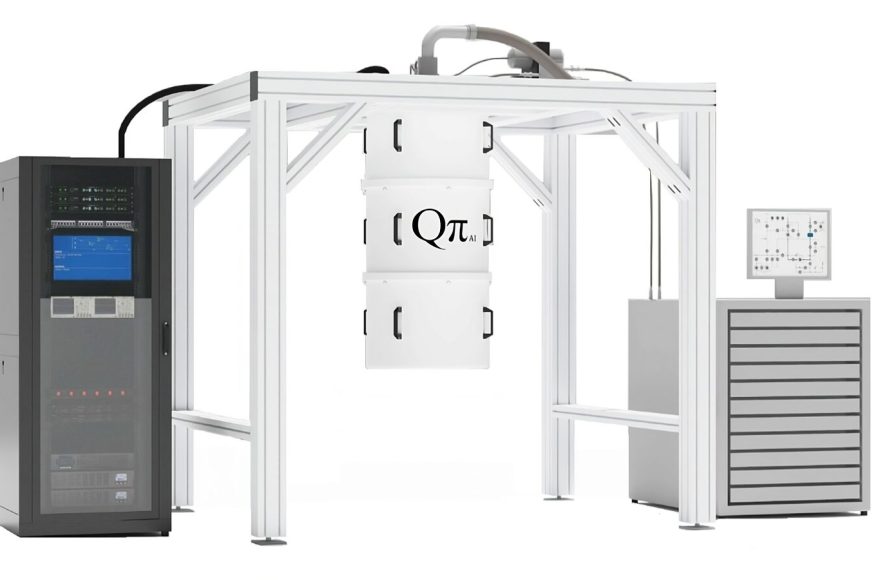
QpiAI Opens Quantum Chip Foundry With 10,000-Qubit Target
QpiAI opened its Bengaluru quantum chip foundry on August 17, starting with 128-qubit processors and targeting 10,000-qubit chips by 2027.
Fresh signal from the moving edge of hardware, technology, and the systems underneath.
↗
QpiAI opened its Bengaluru quantum chip foundry on August 17, starting with 128-qubit processors and targeting 10,000-qubit chips by 2027.
 ↗
↗
Command Code’s $10 GOAT plan includes $70 in usage credits and access to more than 30 open-weight and closed models, with allowances split by model.
 ↗
↗
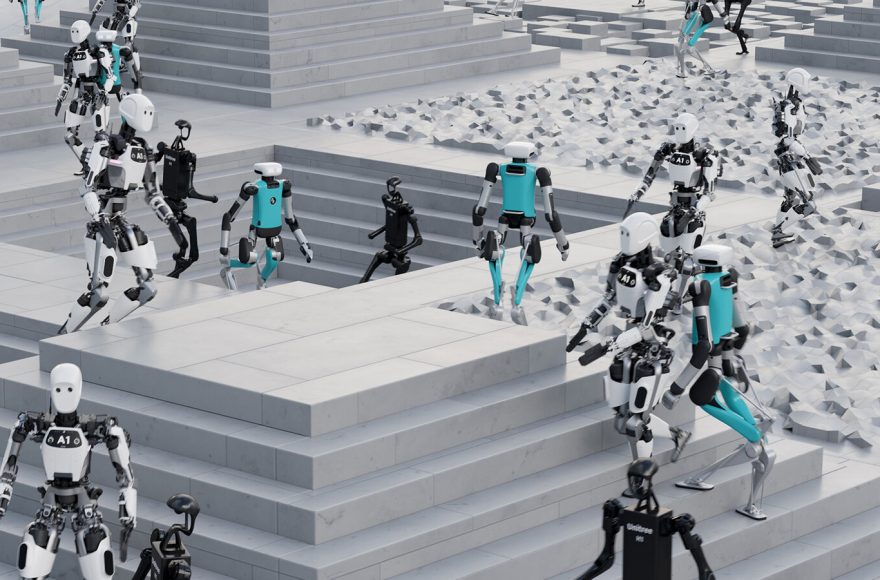
NVIDIA Isaac Sim gives robotics teams a physics-based place to test scenes, generate synthetic data, and catch integration failures earlier.
 ↗
↗
ROS 2 executors decide when callbacks run, making thread count, callback groups, and workload length part of robot design.
 ↗
↗
AMD ships Day 0 support for Qwen 3.8 27B, letting Ryzen AI Max+ PCs and a Radeon AI PRO R9700 run the dense model locally at up to 51.8 tokens per second.
 ↗
↗
Anthropic explains how Claude's text watermark works, why the EU AI Act drove it, and what the technique can and cannot prove about generated text.
 ↗
↗
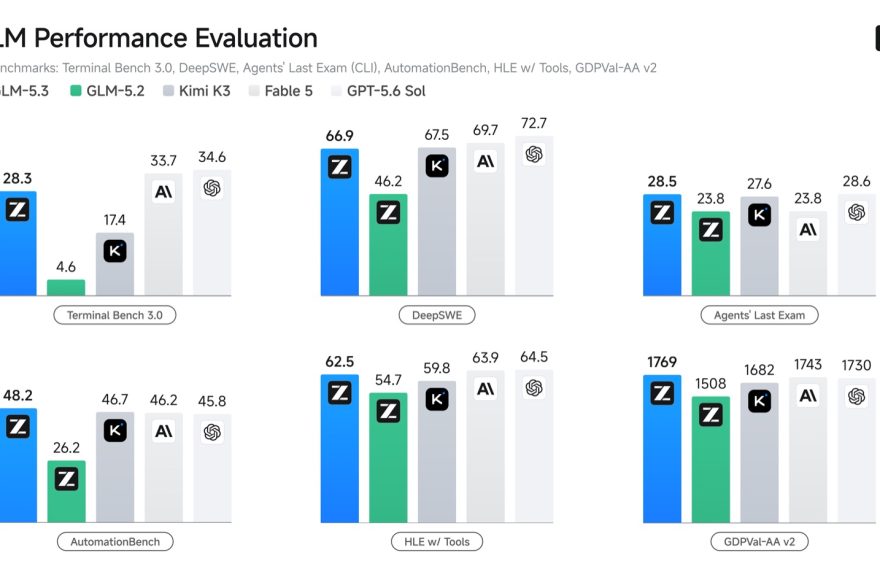
Z.ai's GLM-5.3 keeps the GLM-5.2 base and adds post-training only, posting top open-source coding scores and a sharp jump in cyber-security benchmarks.
 ↗
↗
Google's Gemini 3.7 Flash lands three weeks after 3.6 Flash with stronger coding benchmarks and an introductory API rate priced at half the previous level.
 ↗
↗
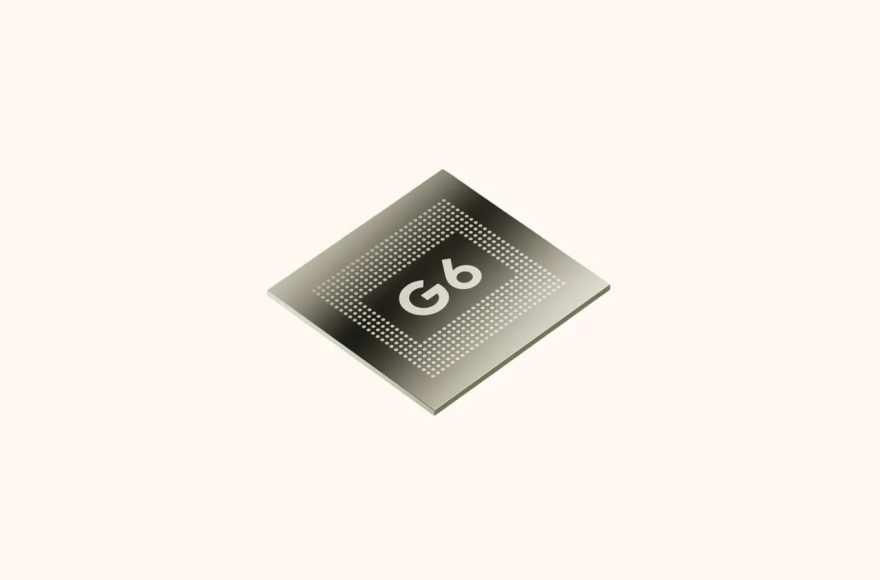
Google's Tensor G6 chip powers the Pixel 11 series with 50 percent more TPU compute and up to 3.5x faster on-device AI, plus post-quantum secure boot.
 ↗
↗
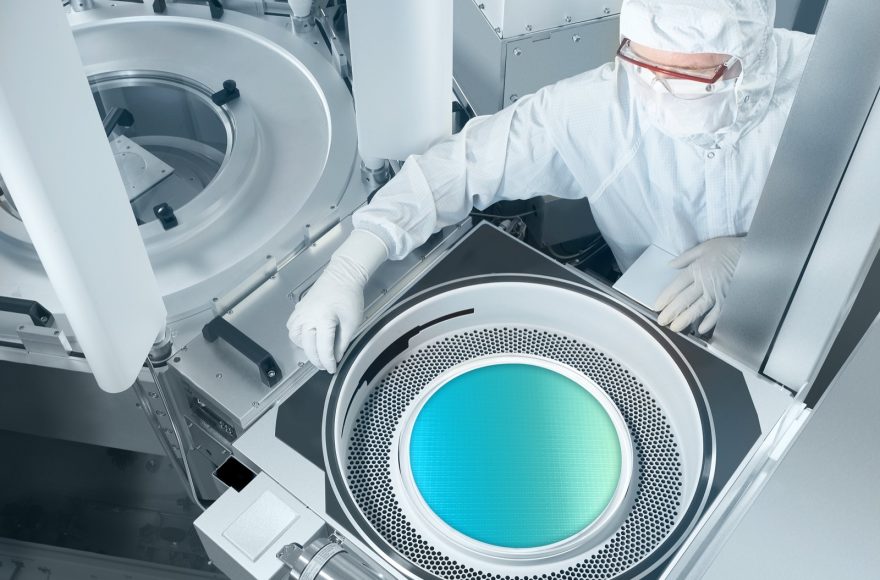
Lam Research will invest more than $3 billion over five years to expand its global R&D lab network and lift experiment capacity by more than 50 percent.